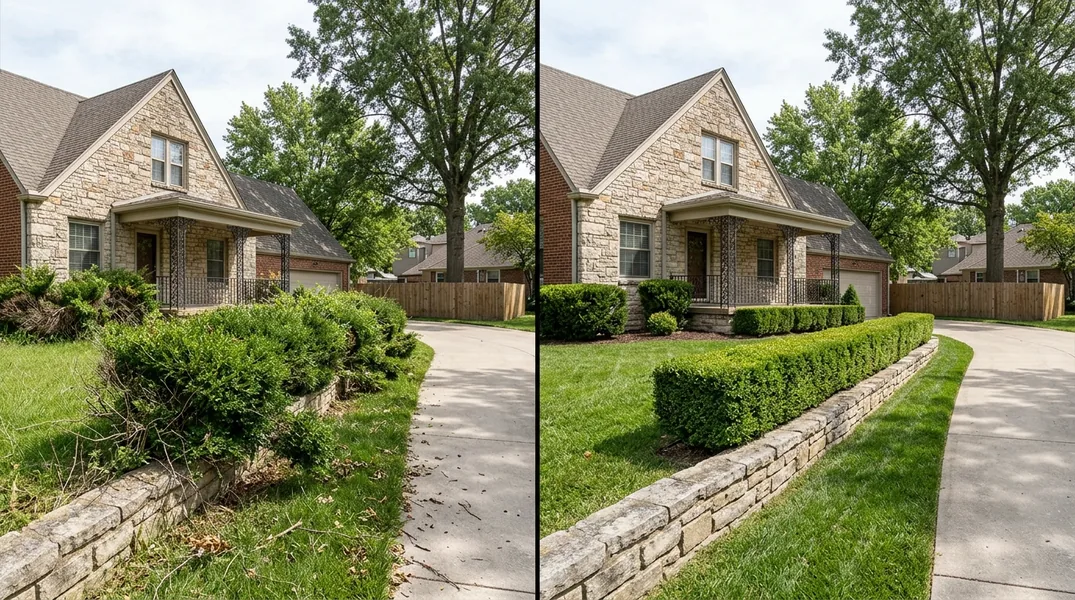
Understanding Ice Storm and Tornado Damage to Trees
Columbia residents know that severe weather can strike without warning, and trees are often the first casualties when storms arrive. Ice storms and tornadoes present two distinct but equally dangerous threats to the trees surrounding your home. Understanding how each type of storm damages trees is the first step toward protecting your property and family.
Ice storms create a deceptive hazard. As freezing rain accumulates on branches, the weight compounds rapidly. A single inch of ice can add thousands of pounds of stress to a tree, far exceeding what even mature specimens can support. Branches snap and fall without the dramatic visual warning of a tornado, and the damage often goes unnoticed until it's too late. Tornadoes, by contrast, deliver violent winds that can uproot entire trees or snap them partway up the trunk, sometimes leaving jagged spikes that pose serious risks to nearby structures and people.
Pre-Storm Tree Care: Your First Line of Defense
The best time to address tree vulnerability is before severe weather arrives. Proactive maintenance can significantly reduce the risk of storm damage and the need for emergency interventions later. Tree Trimming & Pruning is one of the most effective preventive measures you can take. Removing dead branches, crossing limbs, and weak growth patterns reduces wind resistance and distributes weight more evenly across the canopy.
When you trim trees strategically, you improve their structural integrity and allow wind to pass through more easily rather than catching the entire crown like a sail. This is especially important in Columbia, where spring storms and winter ice are common seasonal threats. Trees with dense, overgrown canopies are far more likely to sustain damage during high winds or heavy snow and ice accumulation. Additionally, removing diseased or weakened wood prevents branches from becoming hazards during the first strong gust.
Professional arborists can assess your trees' health and structure to identify which specimens are most at risk. They'll recommend specific pruning techniques that promote healthy growth while minimizing storm vulnerability. This preventive work often costs far less than dealing with fallen trees, property damage, and emergency cleanup after a storm.
Recognizing Trees at High Risk During Storm Season
Not all trees pose equal risk during severe weather. Certain species, growth patterns, and health conditions make some trees much more likely to fail when ice, wind, or tornadoes arrive. Learning to spot these warning signs can help you prioritize which trees need attention before the next major storm.
Trees with multiple trunks, large cavities, or significant lean are inherently weaker and more prone to failure. Dead branches hanging in the canopy indicate declining health and reduced structural strength. Trees that have been topped (had their main leader cut off) often develop weak, spreading branches that break easily. Storm-damaged trees from previous events may have internal damage that weakens them further, even if they appear healthy on the surface. Species like ash, hackberry, and cottonwood are more brittle and prone to breakage, while oaks and hickories generally tolerate storms better.
If you notice any of these risk factors in trees near your home, roof, or power lines, contact Columbia Tree Service at (573) 533-4825 for a professional assessment. Addressing these issues now prevents costly emergency situations later.
Storm Damage Tree Removal in Columbia: When Professional Help is Essential
After a severe ice storm or tornado, damaged trees often require immediate attention. While some homeowners attempt DIY removal, this approach is extremely dangerous and frequently illegal. Fallen trees may be tangled with power lines, leaning against structures, or under extreme tension from bent trunks. Emergency Tree Service professionals have the training, equipment, and insurance to safely handle these hazardous situations.
Tree Removal after a storm requires careful planning and specialized techniques. Trees may need to be cut into sections and lowered with rigging equipment to avoid damage to nearby structures, vehicles, or landscaping. Arborists must assess whether power lines are involved, whether the tree is stable enough to work around, and what the safest removal sequence is. In many cases, what appears to be a simple removal job becomes complex once professionals evaluate the actual situation.
Columbia Tree Service responds quickly to storm damage emergencies, working to restore safety to your property. The faster you address fallen or severely damaged trees, the sooner you can assess any structural damage to your home and resume normal activities.
Cleanup and Recovery: Stump Removal and Site Restoration
Once a storm-damaged tree is removed, you're left with a stump and often considerable debris. Leaving stumps in place creates ongoing problems. They become tripping hazards, attract pests and disease, prevent you from using that space for landscaping or structures, and continue to sprout new growth if not properly treated. Stump Grinding completely eliminates these issues by grinding the stump below ground level so the area can be replanted or repurposed.
The debris from fallen trees, including branches, logs, and brush, can take weeks or months to clear if handled manually. Professional crews can remove all this material efficiently, leaving your property clean and safe. Many homeowners are surprised at how much debris a single large tree produces. Once the site is cleared and stumps are ground, you can replant with trees better suited to your landscape, fill in eroded areas, or simply restore the aesthetic appeal of your yard.
Preparing Your Property Now for Future Storms
The time to prepare for the next ice storm or tornado is not when the weather forecast turns ominous, but during calm weather when you can make thoughtful decisions and hire professionals without urgency premiums. Start by walking your property and identifying trees that overhang your roof, hang over power lines, or lean toward your home or your neighbors' properties. These are your highest-priority candidates for professional evaluation.
Contact Columbia Tree Service at (573) 533-4825 to schedule a comprehensive tree assessment. Our arborists will evaluate each tree's health, structure, and storm risk, then recommend a customized maintenance plan. Whether you need Tree Trimming & Pruning to reduce wind resistance, removal of hazardous specimens, or Stump Grinding to eliminate existing hazards, we can help you create a safer landscape. Request your free estimate today and take control of your property's storm readiness.
Storm season in Columbia doesn't have to mean anxiety about falling trees and property damage. With proper planning and professional tree care, you can significantly reduce risk and protect your home, family, and investment. Don't wait for the next weather warning to act. Call Columbia Tree Service now and let's make your property safer together.
Looking for a professional tree service contractor in Columbia? Columbia Tree Service responds fast for all your tree service needs.
Get a Free QuoteOur services: Tree Removal · Tree Trimming & Pruning · Stump Grinding